


- B2b gtm consulting drives market penetration everythingnew
- B2b gtm consulting drives everythingnew market penetration
Gtm coupons
Finally, create your go-to-market strategy by aggregating insights gleaned from experimentation and selecting metrics to track their success. Keep in mind: Your final GTM strategy is an experiment in itself outbound ai. As you execute it post-launch, you’ll gain insights into what does and doesn’t work to inform your strategy moving forward.
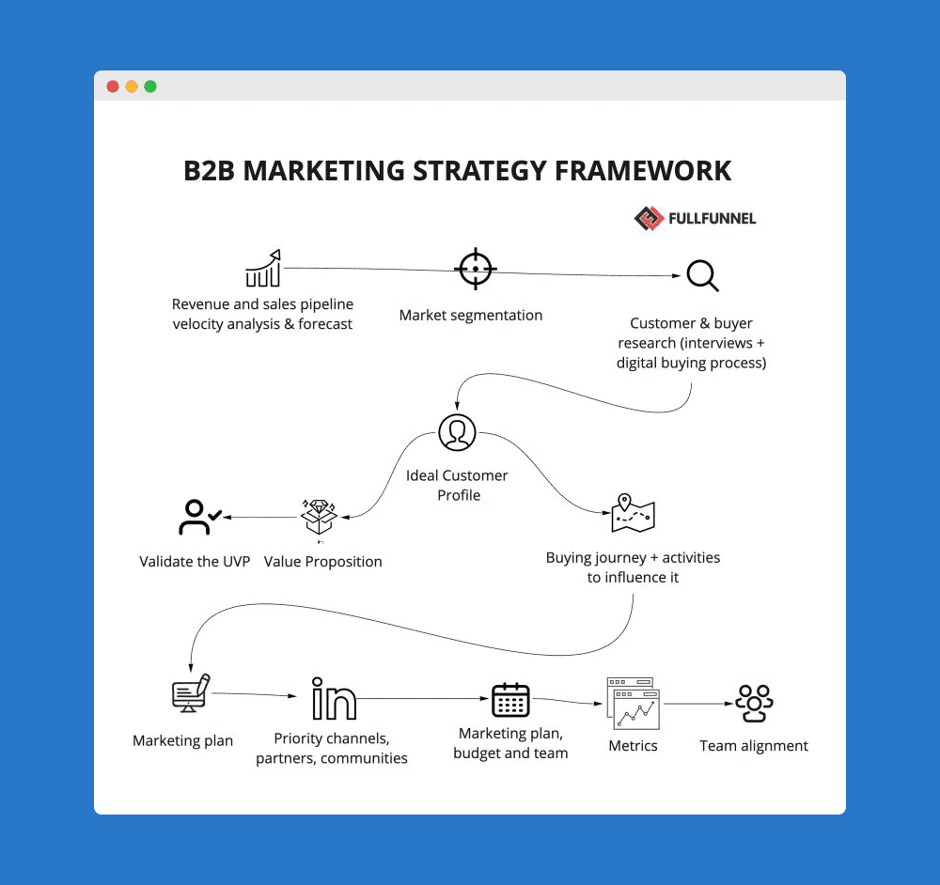
Conversely, a marketing strategy is a company’s overall approach to promoting its brand to its target audience. Marketing strategies include brand objectives, target audience personas, marketing channels, key performance indicators, and more. Here’s a table showing the difference between both.
I find that creating a go-to-market plan can prevent many of the mistakes and oversights that can tank new product launches. Poor product-market fit can dampen a launch — even if the product is well-designed and innovative.
B2b gtm consulting drives market penetration everythingnew
The types of go-to-market (GTM) strategies for B2B companies is vast and dynamic, offering a myriad of approaches to achieve business objectives and drive growth. From product-led and sales-led strategies to emerging trends like digital-first and partner ecosystem strategies, B2B companies have a wealth of options to explore and experiment with. By understanding the unique needs of their target market and aligning their GTM strategy accordingly, companies can navigate the complexities of the B2B landscape and emerge as leaders in their respective industries. Let’s embrace innovation and strategic thinking as we continue to evolve and adapt to the ever-changing demands of the market.
When selecting channels, consider whether your audience is more responsive to outbound tactics like direct mail or inbound strategies such as social media, SEO, or AdWords. This decision depends on your primary goal: generating broad brand awareness or engaging potential customers who are already interested in your offerings.
A go-to-market strategy and a marketing plan are both crucial components of a business’s overall approach to reaching its customers, but they serve different purposes.The go-to-market strategy is a specific plan for launching a product or entering a new market. It’s tailored to a particular launch and focuses on product positioning, pricing, and initial customer acquisition, addressing unique market challenges or opportunities.In contrast, a marketing plan is a long-term, ongoing strategy to achieve overall marketing goals. It’s broader, involving advertising, social media, and loyalty programs, not confined to single product launches. It aims to build and maintain brand presence and customer loyalty.While a GTM strategy is short-term and launch-specific, a marketing plan is a comprehensive, long-term approach encompassing various marketing activities. The go-to-market strategy is a focused component of the broader marketing plan, each serving distinct but complementary roles in a business’s market strategy.
A pricing strategy is a systematic approach to setting the price of your product or service, considering factors like costs, competition, customer value perception, and your business objectives (growth vs. profitability).
Best Practices: Offer free trials or freemium models to allow potential customers to experience your product firsthand. Implement in-product analytics to gather feedback and identify areas for improvement iteratively.
Demand generation GTM strategies focus on creating awareness and generating interest across a broad audience through targeted marketing programs, nurturing leads over time and building a pipeline of qualified prospects.
B2b gtm consulting drives everythingnew market penetration
Product-led GTM strategy revolves around prioritizing the product itself as the primary driver of customer acquisition, conversion, and expansion. This approach focuses on delivering immediate value to users, fostering organic growth through user satisfaction, and harnessing the power of word-of-mouth referrals. Companies employing a product-led GTM strategy often offer free trials, freemium models, or self-service options to encourage users to experience the product firsthand.
When it comes to measuring success in GTM initiatives, it’s crucial to focus on both quantitative and qualitative metrics. In today’s data-driven world, companies have access to a lot of things that can help them gauge their performance. However, it’s not just about numbers; understanding the full-time impact on customer success and brand business is equally important.
Good teams play, but great teams run a system of plays. Sales Play System unites your people, processes and technology into a powerful go-to-market approach that builds pipeline and maximizes opportunities. The result: consistent, sustainable growth.
L.E.K. works with clients to define the optimal go-to-market strategy and commercial organization that will deliver against their revenue growth or profit improvement objectives. In both nascent and mature markets, companies need to make complex choices around their go-to-market strategies, considering both direct and indirect models. In nascent markets, the relevant channel infrastructure may not be available, and a business may need to invest independently or in partnerships to build new routes to market. In mature markets, the distribution landscape may be evolving or consolidating. A business needs to carefully select the go-to-market and commercial model that would effectively and efficiently get its products or services to customers while allowing the business to capture the maximum value across the distribution chain.
For companies aspiring to elevate their international presence, crafting a growth marketing strategy that is globally agile requires an intricate understanding of local market nuances. You can explore more about this in an international growth strategy for business leaders.